Field notes / Colorado
Security & Smart Home Planning Guides
Six field guides on the decisions that get made before any equipment is ordered: where cameras actually belong, how much recording a property needs, what structured wiring has to carry, and the Colorado rules that sit over all of it.
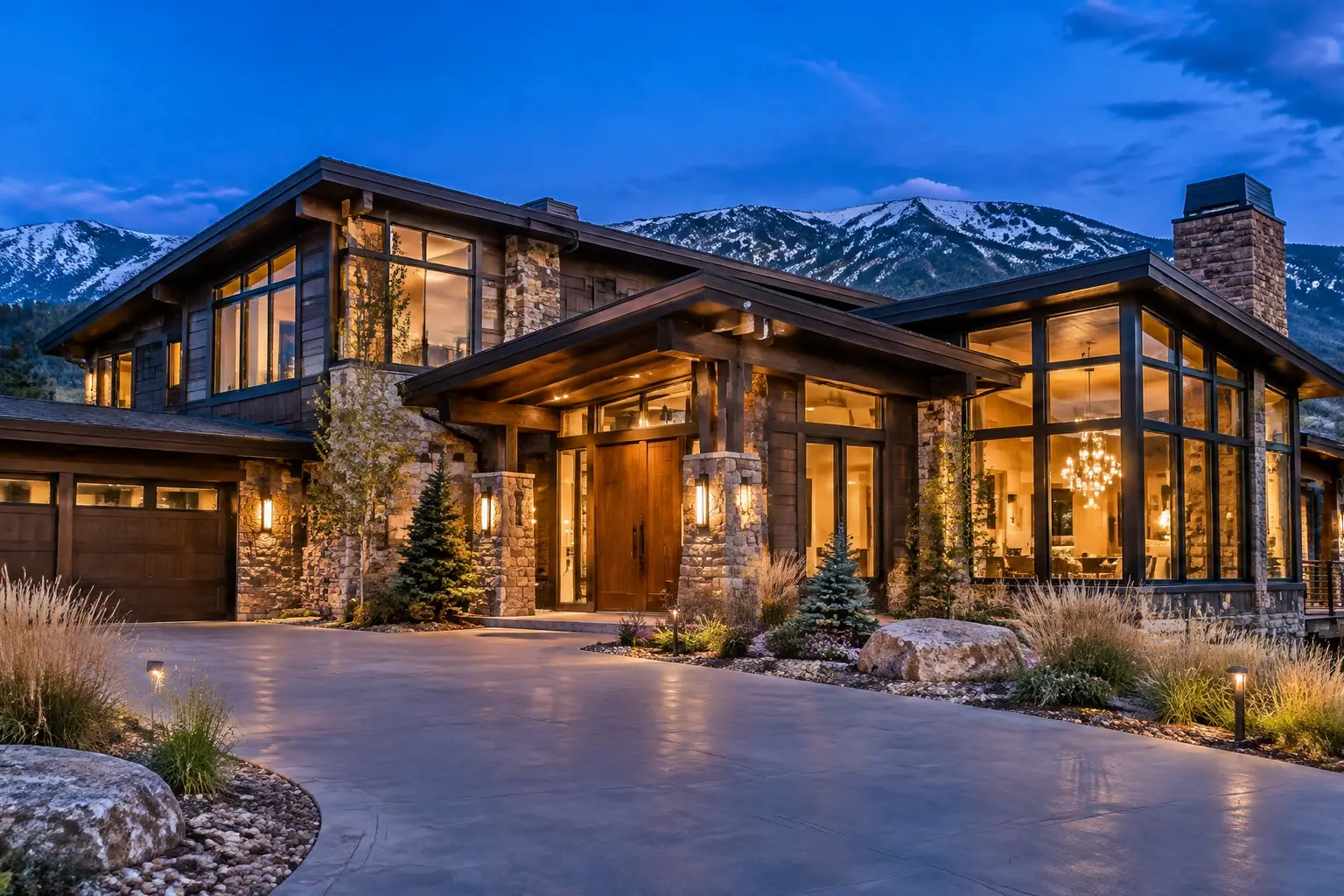
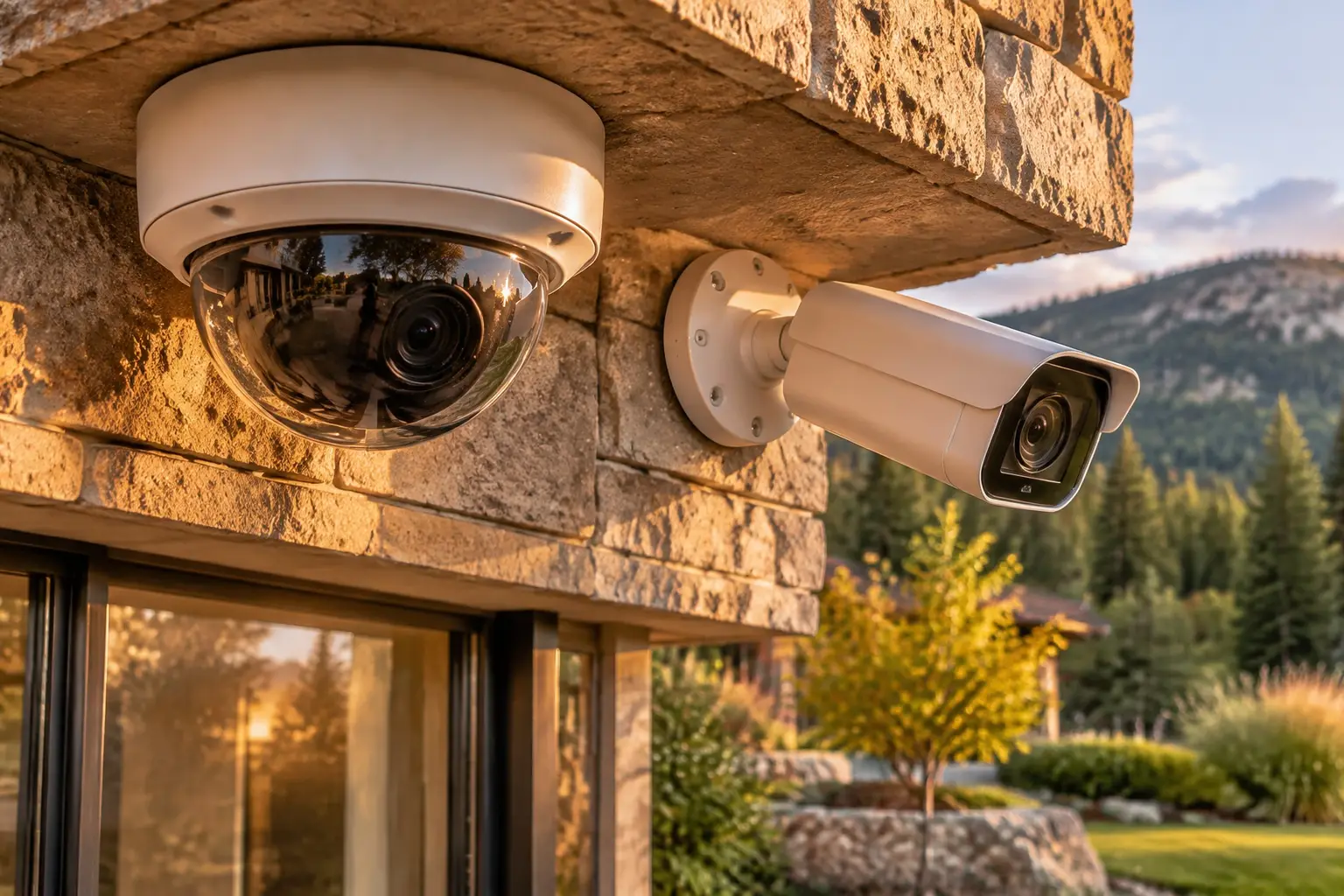
§ 01 / The details
Read before you buy equipment.
Each guide covers one decision end to end, states its limits, and calls out what is specific to Colorado properties.
Denver Home Security Guide
A practical guide to planning home security for a Colorado property: working out which approaches actually matter, deciding what each camera is for, choosing between wired and…
Read the guide ↗Field notes / 02Security Camera Placement Guide
Where cameras belong on a Colorado home, the heights and angles that actually hold a face or a licence plate, the positions that waste a camera entirely, and the specific…
Read the guide ↗Field notes / 03Surveillance System Planning
How to plan a home surveillance system before buying anything: how many cameras a property actually needs, how recorder and storage capacity translate into days of retention, what…
Read the guide ↗Field notes / 04Smart Home Wiring Guide
How to wire a house for smart home, security and audio video properly: what structured cabling is and why home runs matter, where the panel belongs, what power over Ethernet…
Read the guide ↗Field notes / 05Home Theater Planning Guide
Planning a home theater in a real room rather than a showroom: how seating distance sets screen size, where speakers actually belong, why acoustic treatment matters more than…
Read the guide ↗Field notes / 06HOA, Permits & Camera Privacy in Colorado
The rules worth checking before equipment is ordered: how homeowner association covenants treat exterior cameras and lighting across the Denver metro, which authority issues the…
Read the guide ↗§ 02 / Why the order matters
Decide the
coverage first.
Then the kit.
Nearly every regret we are asked to fix started as an equipment decision made before a coverage decision. A camera bought for its specification sheet still sees the wrong thing if it is mounted where the approach cannot be read, and a recorder sized for a package tier still runs out of retention on the week you need it.
These guides run in the order the decisions actually arrive: what the property needs covered, how much of it has to be recorded and kept, what has to be wired for any of it to hold up, and which of those choices a covenant or a permit will have an opinion about.
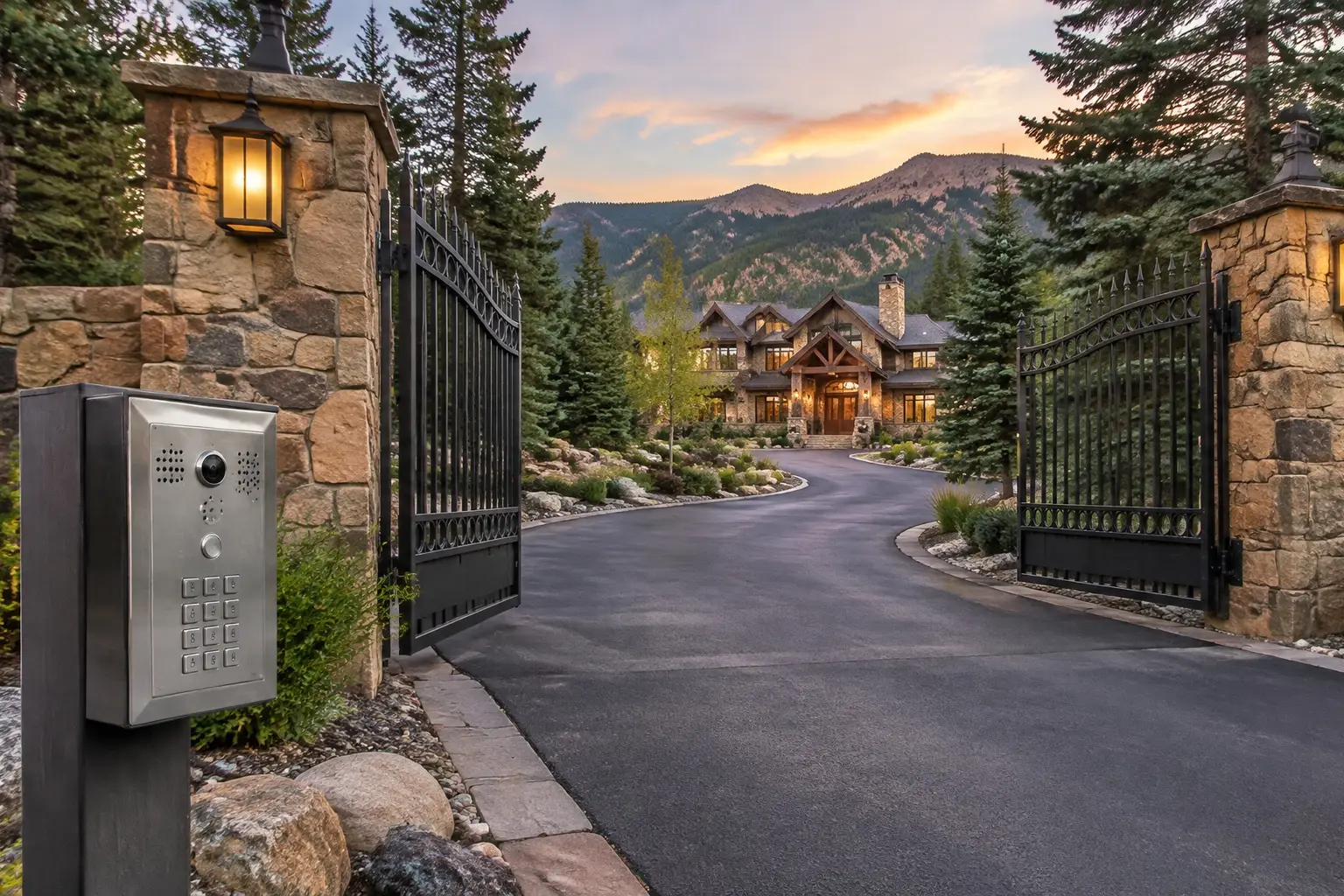
§ 03 / The details
Match a guide to a system.
All 14 systems ↗Every guide links into the systems it covers, and every system page links back.
A good system starts with the walk around the house.
Tell us about
the property.
And the blind spots.
The entries, the driveway, what the existing wiring can carry and what the covenants allow. Those four details shape a system worth paying for.
- Say which approaches you cannot see today.
- Tell us about existing cabling, panels or a prior system.
- Agree the scope, the zones and the retention before work starts.
Start with your property
A little about the property and what you want covered.