Security cameras, surveillance & smart home · Denver metro and the Front Range Find your city ↗ Call (720) 487-1226
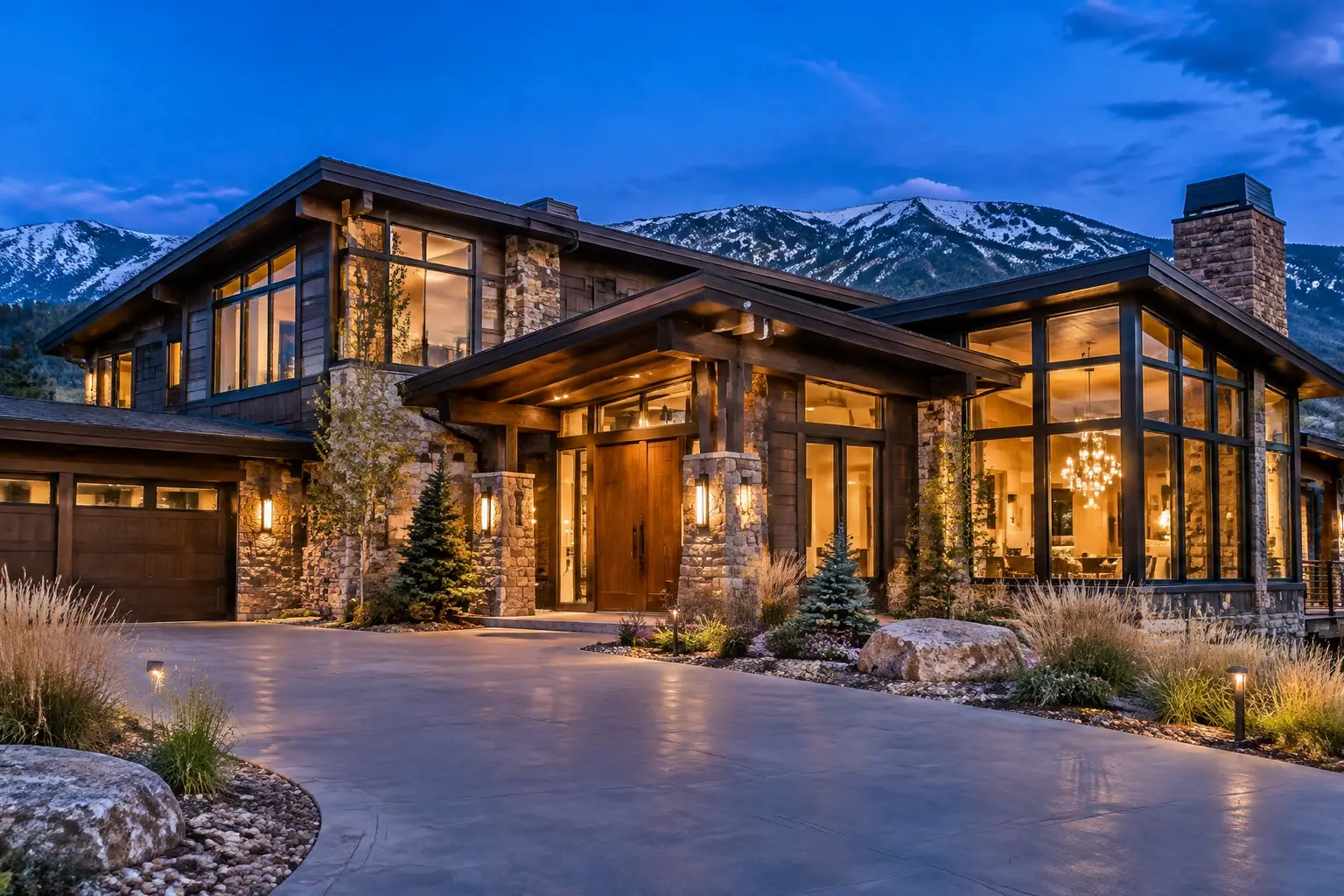
Large stone and timber Front Range home at dusk, warm lit windows, with an exterior security camera above the entry

THE WHOLE PROPERTY

Home Security Systems in Denver, CO

A home security system is not a box of equipment. It is a plan for how your property is approached, what you want to see, what you want to be told about, and what happens when something trips at two in the morning. For most Denver homes that resolves to a handful of camera positions, sensors on the openings that matter, one way to arm the house, and recording you can actually review. We plan it on the property, write the scope down, and install it so it still makes sense in three years.

Planned on the propertyEntries and sightlines firstWritten scopeCabling, zones and retention agreed
Your property. Watched properly.Request form

Request a quote

A little about the property and what you want covered.

Your inquiry goes to our team. Sending a request does not schedule an installation; we will follow up about the property, the scope and availability.

§ 01 / The details

Start with a clear scope.

Use these items to frame the conversation. Final inclusions depend on the property, the existing wiring and the agreed plan.

  • A walk of the property to set camera positions and sensor points
  • A written scope listing devices, positions, cable routes and what is excluded
  • Camera positions chosen for a usable view, not the easiest mount
  • Contact, motion and glass-break sensor placement on the openings that matter
  • Recorder, storage and retention period sized for the camera count
  • Network and Power over Ethernet capacity checked before install
  • Keypad or panel placement at the door the household actually uses
  • Zone and partial-arming setup for pets, tenants and late arrivals
  • Battery backup discussed for the recorder, switch and router
  • Permit, inspection and covenant requirements identified for your address
  • A handover covering footage review, alerts, retention and account access

§ 02 / The system

The plan starts with how the house is approached

Stand at the street and work inward. Which door do deliveries use? Where does a car sit overnight, and can a camera read a plate from there? Which gate, side yard or window well cannot be seen from any neighbouring property? On a Denver bungalow the answer is usually the alley and the back door. On a two-story in the south metro it is the side of the garage and the patio slider. On a foothills lot it is a long driveway with one approach and no streetlight.

That walk produces the device list, in that order: the positions first, then the equipment that suits each position, then the recorder and network that have to carry them. Starting from a package tier instead produces cameras pointed at the lawn and a blind spot where someone actually walks in.

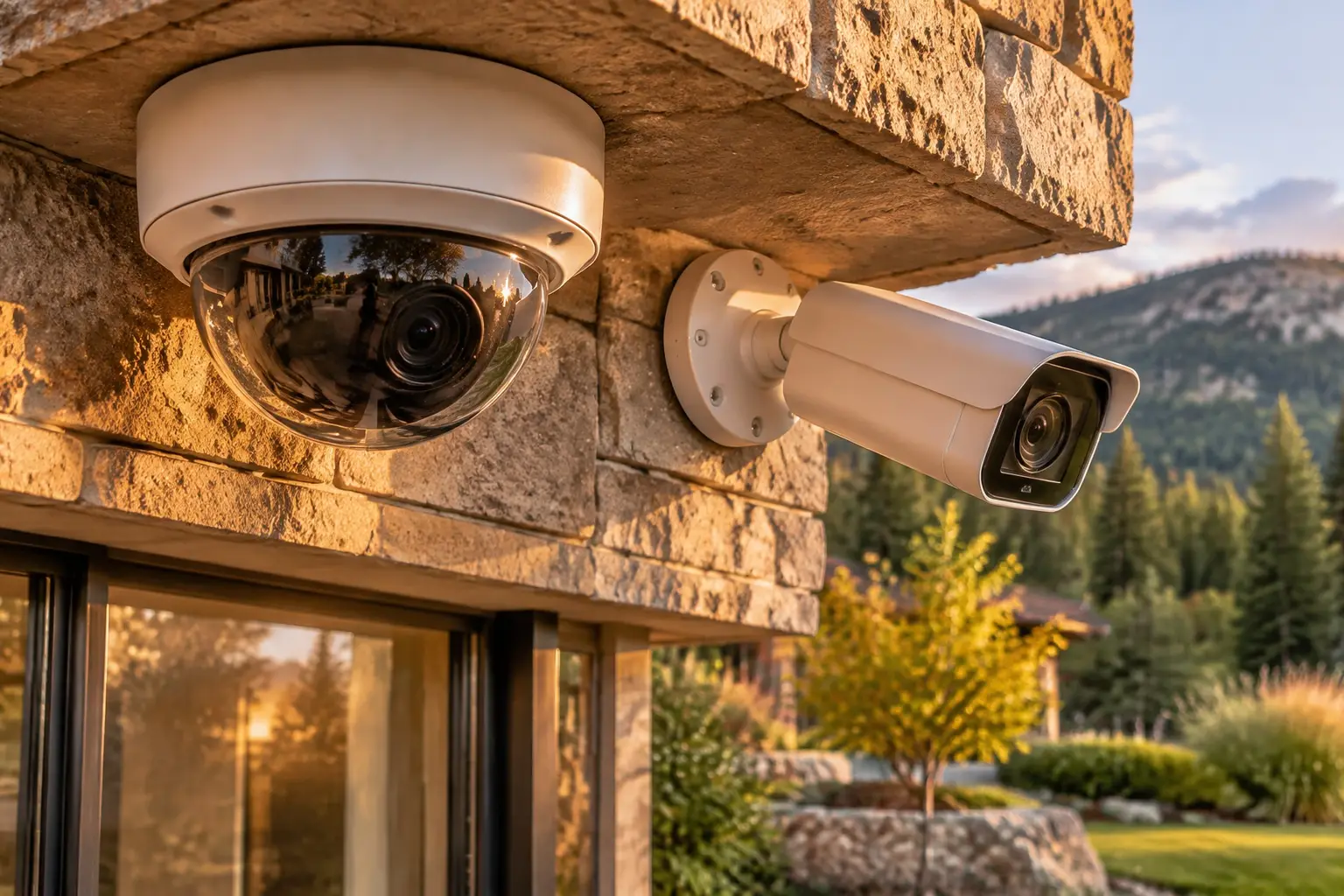
A dome camera and a bullet camera mounted under the stone eave of an upscale home, covering the same approach

§ 03 / The details

Cameras, sensors and one way to arm the house

Cameras document and deter. Sensors detect. They answer different questions, and a system that only does one of them leaves a gap. A camera tells you what happened at the front door; a contact or glass-break sensor tells you a window at the back opened while nobody was home, which no camera facing the street will ever see.

The part homeowners underestimate is the arming routine. If arming the house takes three apps and a code nobody remembers, it will not be armed. We settle on one method, usually a keypad or panel near the door everyone actually uses, plus phone control as a convenience rather than the only route in. Partial arming matters too: a household with a dog, a teenager coming home late, or a basement tenant needs zones that can be armed separately without nuisance trips.

§ 04 / The system

What a system does not do

No system prevents every incident, and we will say so before taking a deposit. Cameras are documentation and deterrence, not a barrier. If a property has an unlit side yard, a hollow-core door to the garage interior, or sightlines completely screened from the street, lighting, hardware and landscaping will do more for it than a fourth camera.

Monitoring has limits worth understanding too. A monitored alarm produces a call and, if the local rules and the permit are in place, a dispatch; it does not produce an instant arrival. Cloud camera alerts stop when the internet drops unless something records locally. A system priced without battery backup goes quiet in a power cut. These are design decisions, and you should make them knowingly rather than discover them during an outage.

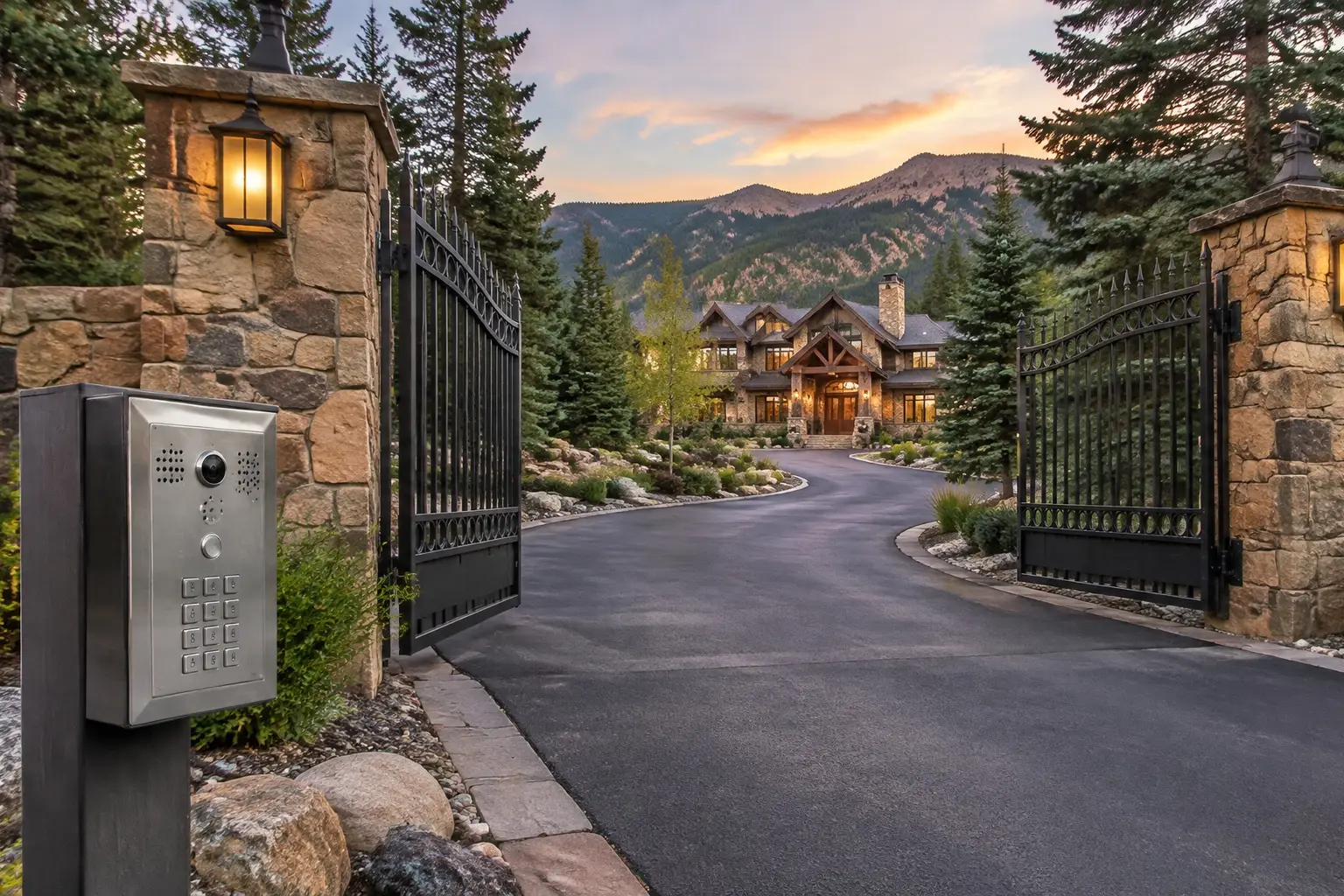
A gated private driveway entrance with stone pillars, an intercom keypad and a large home set back beyond the gates

§ 05 / The details

Permits, covenants and the handover

Two approvals sit outside the equipment. Low-voltage and electrical work is subject to permit, inspection and licensing requirements set by the State of Colorado and your own municipality or county, and alarm systems in some jurisdictions also need a separate alarm permit with its own false-alarm rules. Anything visible on an exterior elevation may need written approval where covenants apply, which is most newer subdivisions across the metro.

The handover is the part that outlives the install. You should finish with labelled cable runs, a documented zone list, a recorder whose retention you chose, a written note of who holds account access, and a demonstration of pulling a clip from last Tuesday rather than just viewing the live feed. If a system is handed over without those, you own equipment rather than a system.
§ 06 / Common questions

The questions
worth asking first.

Clear answers before anyone drills a hole. Start with what homeowners ask most.

More answers ↗

What does a home security system include at a minimum?

Practically: coverage of every way the property is entered, detection on the openings a camera cannot watch, one reliable way to arm and disarm, recording with a retention period you chose, and documentation of who has access. Everything beyond that is a judgement call about budget and risk, not a requirement.

Is a monitored system worth it over self-monitoring?

It depends on whether anyone will reliably act on an alert. Self-monitoring works when a phone is always to hand and someone is willing to make the call. Monitoring adds a third party who responds when you are on a plane, in a meeting or asleep. Ask specifically what the monitoring contract covers, what the dispatch process is in your jurisdiction, and what the false-alarm rules and fees are locally.

Can a system be added to in stages?

Yes, and that is usually the cheaper route when cabling is the expensive part. We plan the full position list up front, run or leave pathways for the positions you are not buying yet, and size the recorder, switch and power budget for the final count rather than the first phase. Adding a camera later to a system designed for exactly the cameras it has means replacing the recorder.

Do I need an alarm permit in Denver or my city?

Several Front Range jurisdictions require an alarm permit or registration with their own false-alarm provisions, and the rules differ between Denver, the metro suburbs and unincorporated county areas. Check your own municipality before the system goes live, because the permit requirement usually sits with the property owner, not the installer.

How long does the whole process take?

The property walk and written scope come first and are quick. Installation depends almost entirely on cable routes: an accessible attic or basement is a fast day, while fishing cable through a finished two-story with stucco exterior and no attic above the garage is a staged job. We give the schedule after seeing the building, not before.

§ 07 / The details

Local installation. Metro-wide planning.

Choose your area for the local approaches, permit questions and covenant rules that come up there.

A good system starts with the walk around the house.

Tell us about
the property.
And the blind spots.

The entries, the driveway, what the existing wiring can carry and what the covenants allow. Those four details shape a system worth paying for.

  • Say which approaches you cannot see today.
  • Tell us about existing cabling, panels or a prior system.
  • Agree the scope, the zones and the retention before work starts.
Your property. Watched properly.Request form

Start with your property

A little about the property and what you want covered.

Your inquiry goes to our team. Sending a request does not schedule an installation; we will follow up about the property, the scope and availability.

Cameras where they matter. Nothing you cannot use.

Know what
happens at
your door.

Call (720) 487-1226
Colorado Home Security · DenverCall (720) 487-1226
Your property. Watched properly.Request form

Before you go: want a camera plan?

A little about the property and what you want covered.

Your inquiry goes to our team. Sending a request does not schedule an installation; we will follow up about the property, the scope and availability.